청소, 건조, 운반, 보관 등 종자 취급 과정에서 필연적으로 먼지가 발생합니다. 통제하지 않으면 이 먼지는 재난으로 변해 화재, 폭발, 작업자 건강 문제, 규제 처벌 및 환경 피해로 이어질 수 있습니다.
이 가이드에서는 위험을 이해하고, 규정을 준수하고, 기술적 통제를 적용하고, 일상적인 안전 관행을 채택함으로써 종자 취급 시 먼지 재해를 관리하는 방법을 살펴봅니다.
종자 먼지가 심각한 위험인 이유
- 정의: Dust disasters occur when seed or grain dust accumulates or becomes airborne at explosive concentrations, igniting and causing fires, secondary explosions, or health and environmental issues.
- 종자 취급이 위험한 이유: Seeds produce fine, carbon-rich, combustible particles during processing. Handling equipment generates friction and breakage, while seed coatings often contain chemicals that add toxicity risks.
종자 취급 시 먼지로 인한 주요 위험
| 위험 유형 | 설명 |
|---|---|
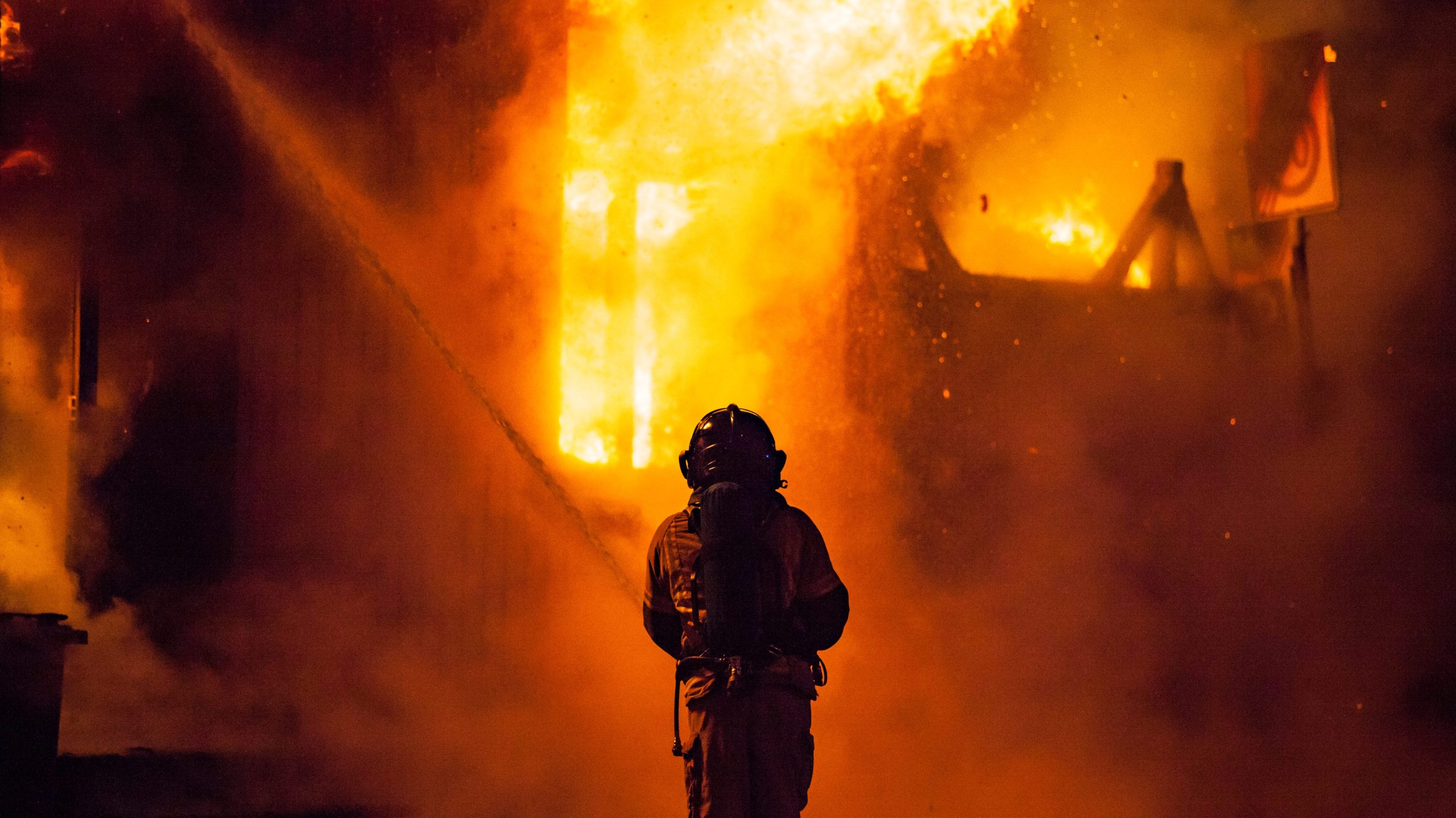
| 폭발 및 화재 | 밀폐된 공간의 먼지 구름은 스파크, 베어링 과열 또는 정전기 방전으로 인해 발화될 수 있습니다. 휘저어지는 먼지 구름으로 인한 2차 폭발은 시설을 파괴할 수 있습니다. |
| 건강상의 위험 | 미세 입자를 흡입하면 천식, 폐 자극 또는 만성 호흡기 질환이 발생합니다. 처리된 종자의 먼지에는 살충제나 화학 잔류물이 포함될 수도 있습니다. |
| 환경에 미치는 영향 | 먼지가 빠져나가면 공기의 질이 떨어지고, 토양이나 물이 오염되며, 종자 처리 먼지가 벌과 같은 수분매개자에게 해를 끼칠 수 있습니다. |
| 법적 및 평판 위험 | OSHA 또는 NFPA 표준을 준수하지 않으면 벌금이 부과되고 소송이 제기됩니다. 사고는 평판을 손상시키고 비용이 많이 드는 리콜을 유발할 수 있습니다. |
규정 및 표준
- NFPA 표준:
NFPA 652 sets general combustible dust management rules, while NFPA 61 targets agricultural and grain facilities. - OSHA 지침:
OSHA regulates grain handling, workplace dust exposure, ventilation, housekeeping, and ignition control. - 환경 기준:
Some regions enforce “dust-off” limits for treated seeds, measuring how much dust coating escapes during handling.
벌금을 피하고 장기적인 안전을 보장하려면 이러한 프레임워크를 준수하는 것이 필수적입니다.
엔지니어링 및 기술 제어
먼지 위험을 줄이기 위한 실용적인 솔루션은 다음과 같습니다.
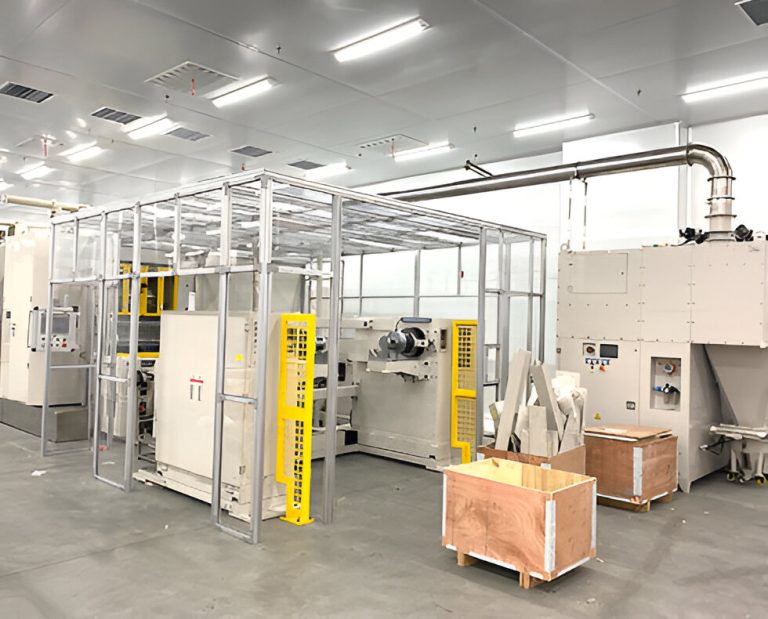
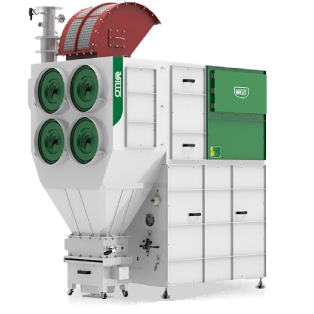
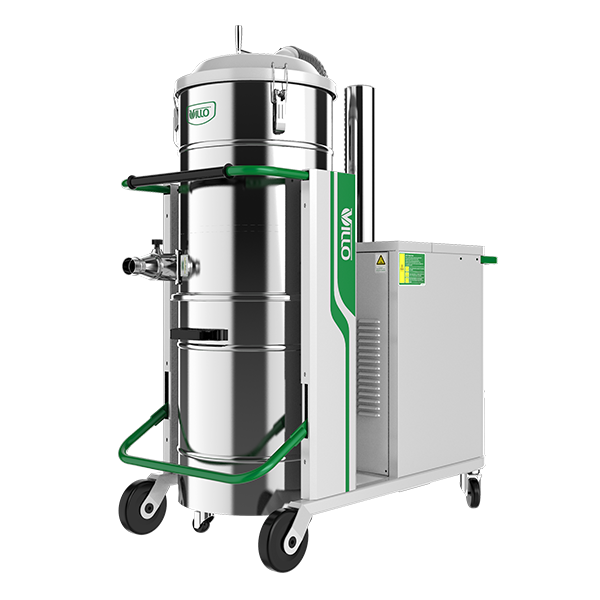
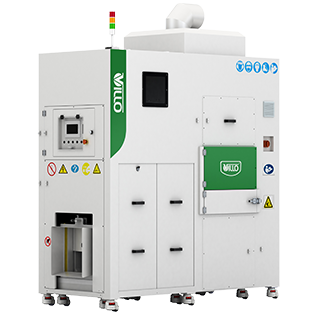
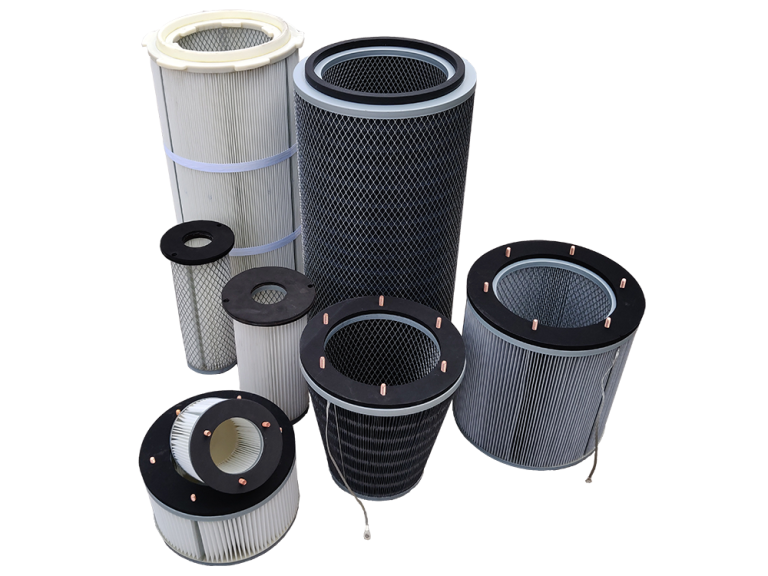
- 집진 시스템: Install source-capture systems with baghouse or cartridge filters; regularly inspect and replace filters.
- 환기 및 인클로저: Use sealed conveyors, enclosed transfer points, and well-designed ventilation to reduce airborne particles.
- 정적 및 열 제어: Ground equipment, lubricate bearings, and use explosion-proof electrical systems to prevent sparks.
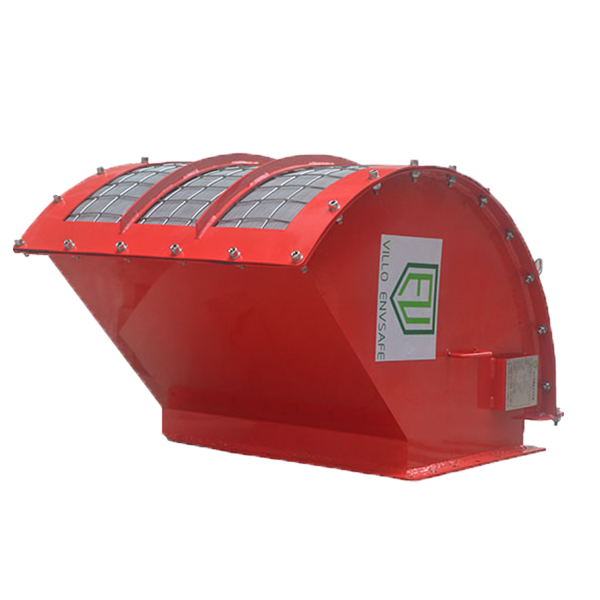
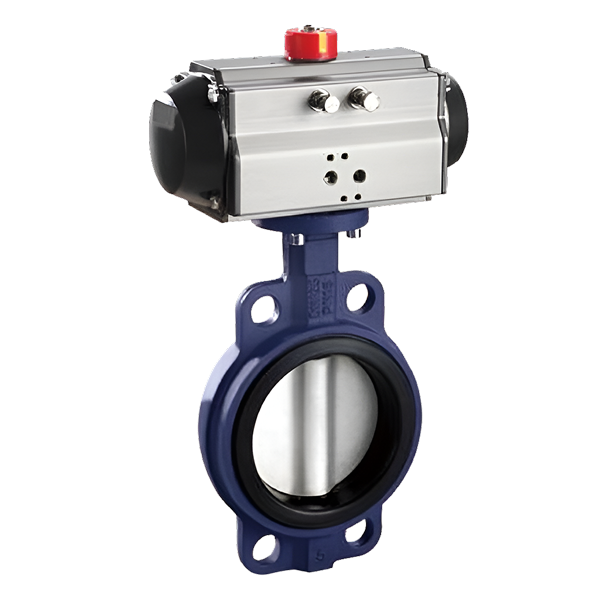
- 폭발 방지 장치: Apply explosion vent panels, suppression systems, and isolation valves to stop deflagration from spreading throughout the facility.
운영 관행
장비 외에도 일상적인 관행이 중요합니다.
- 가정: Regularly vacuum dust, especially on beams and hidden surfaces. Avoid compressed air that stirs up secondary dust.
- 훈련:Teach workers about dust risks, safe machine use, and emergency procedures.
- 모니터링 및 유지 관리: Measure dust concentrations, log maintenance, and schedule preventive inspections.
- 비상 계획: Establish fire detection, explosion alarms, evacuation routes, and practice drills regularly.
실제 사례
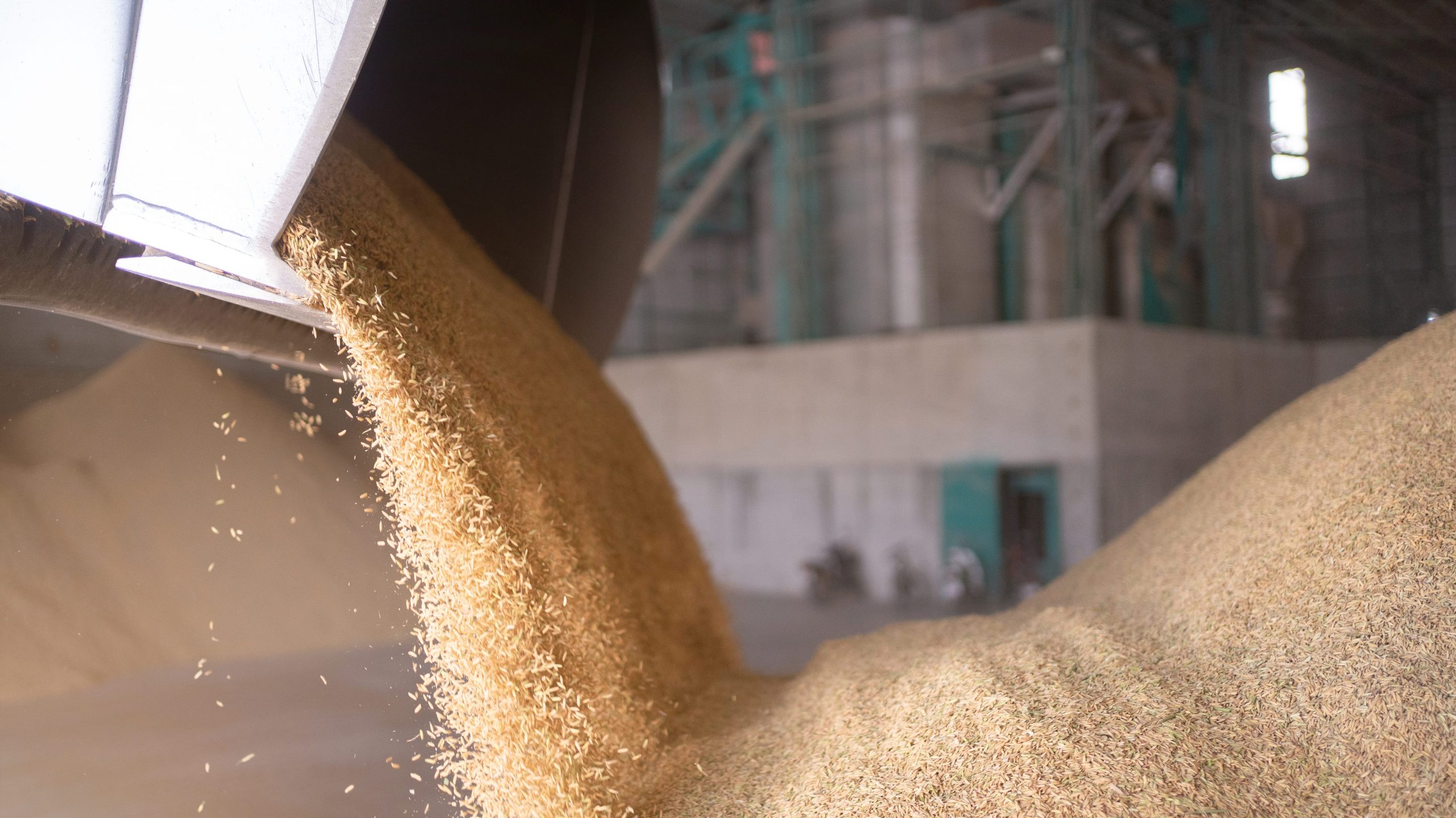
- 시설 업그레이드: A seed conveying plant reduced airborne dust dramatically after upgrading its outdated collector with a compliant, high-efficiency filtration system.
- 폭발 방지 실습: Another facility installed isolation valves and suppression systems, which successfully prevented a secondary explosion, minimizing downtime and repair costs.
이러한 사례는 분진 제어에 대한 투자가 측정 가능한 안전 및 규정 준수 향상을 가져온다는 것을 보여줍니다.
비용 대 이점
고효율 수집기, 유지 관리 및 교육에 초기 비용이 추가되지만 투자 회수는 분명합니다. 시설에서는 사고가 줄어들고, 보험료가 낮아지고, 규정 위반으로 인한 처벌이 줄어들고, 작업자 건강이 향상되어 먼지 관리가 안전 필수품이자 재정적 이점이 됩니다.
결론
종자 처리 시 먼지 재해를 관리하려면 엔지니어링 제어와 규율 있는 운영을 결합해야 합니다. 분진 소스 식별, 발화 위험 해결, NFPA 및 OSHA 표준 준수 보장은 효과적인 위험 관리의 기초를 형성합니다.
마찬가지로 직원 교육, 관리, 지속적인 시스템 모니터링과 같은 일상적인 업무도 중요합니다. 이러한 조치를 통합함으로써 운영자는 위험을 최소화하고 직원을 보호하며 안전하고 신뢰할 수 있으며 규정을 준수하는 종자 처리 작업을 유지할 수 있습니다.