Grain dust explosions are not rare edge cases. Any operation that handles grain-based materials can create combustible dust, and if that dust becomes airborne at the right concentration inside an enclosed space, it can ignite and escalate fast. OSHA notes that many materials can become explosible when finely divided, even if they do not burn the same way in larger pieces.
This guide explains what grain dust explosions are, why they happen, where the highest-risk points are, and how to reduce risk with practical controls teams can implement, including grain handling dust mitigation practices that hold up in routine operations.
What is a grain dust explosion
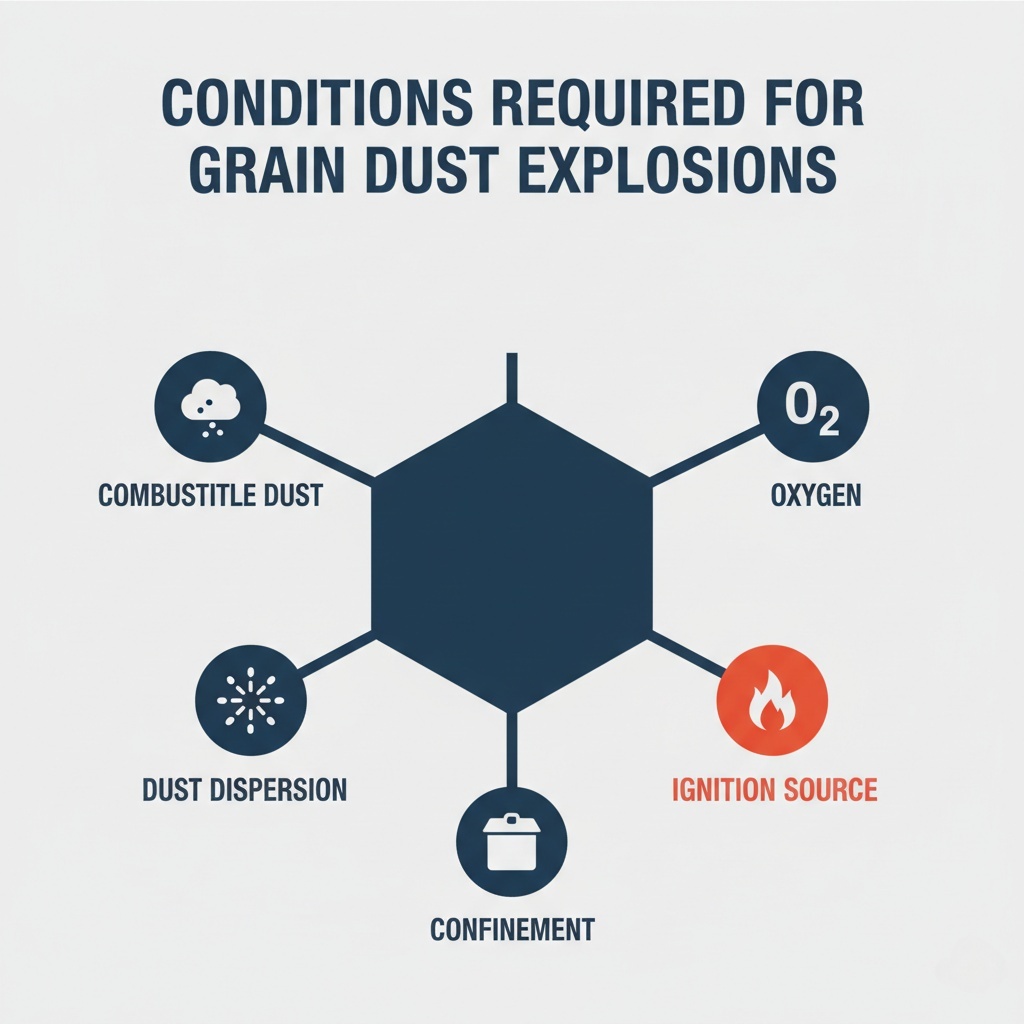
A dust explosion requires five elements, often summarized as the "explosion pentagon":
- Fuel: combustible dust
- Oxygen
- Ignition source
- Dust dispersion in air at an explosible concentration
- Confinement in an enclosure
OSHA’s guidance on combustible dust explains the conditions under which dust becomes explosible. Purdue’s grain dust work also highlights the same pentagon concept and the idea that removing just one factor can prevent a major event.
Why grain dust explosions happen
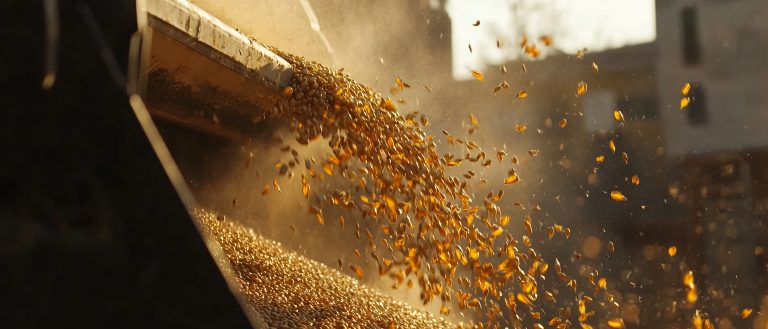
Grain handling creates dust through normal operations: conveying, elevating, drying, grinding, mixing, and transferring. Trouble starts when dust is allowed to accumulate, then gets disturbed and becomes airborne, especially inside enclosed equipment.
Common ignition pathways include overheated bearings, belt friction, electrical faults, welding and cutting work, and smoldering material. Purdue’s annual agricultural dust explosion summaries repeatedly identify maintenance and process issues as contributors, with ignition sources sometimes tied to smoldering grain or equipment malfunction.
Where the risk concentrates: typical high-hazard locations
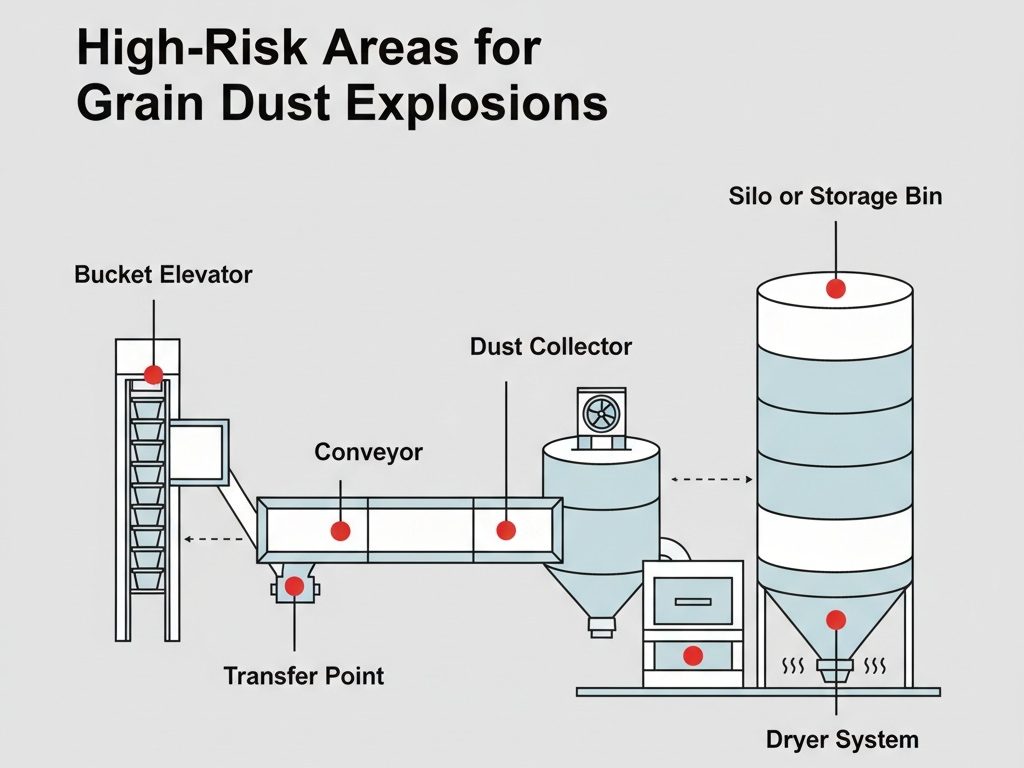
Confinement is the multiplier. The most dangerous spots tend to be enclosed and dust-prone:
- Bucket elevators and legs
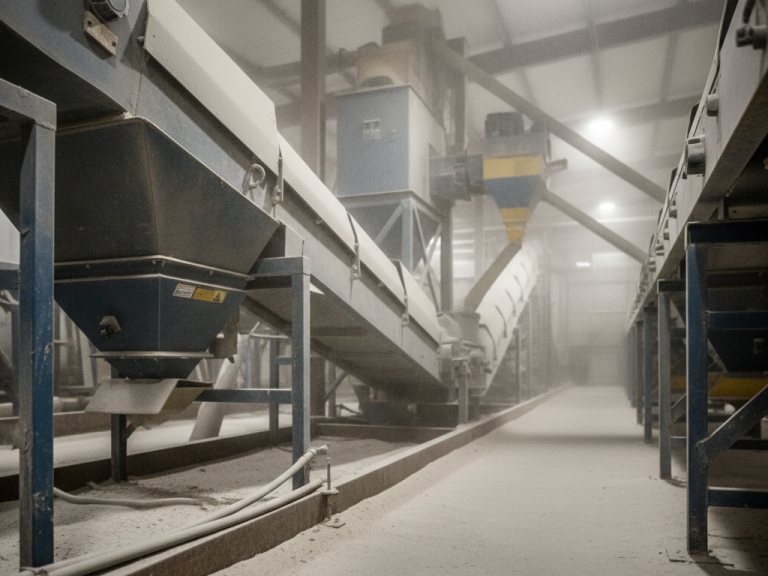
- Conveyors and transfer points
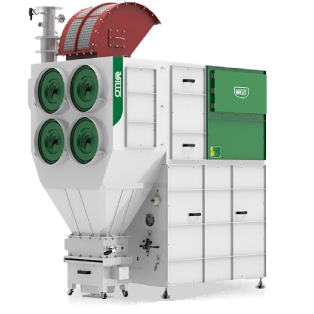
- Dust collectors and ductwork
- Silos, bins, and enclosed galleries
- Mills and grinding areas
- Dryer systems and associated handling equipment
OSHA’s combustible dust materials describe confinement examples like silos, dust collectors, bins, conveyors, and bucket elevators.
Warning signs you should treat seriously
Most facilities have dust. The question is whether dust is controlled.
Red flags include:
- Visible layers of dust on beams, cable trays, ledges, and equipment
- Frequent small “puffs” of dust at transfer points
- Hot bearings, unusual vibration, belt tracking issues
- Smoldering odors, hot spots, or recurring “minor” fires
- Dust collector issues: abnormal pressure drop, damaged filters, poor capture
- Maintenance work that generates sparks without strict controls
Prevention strategy that actually works: control the pentagon
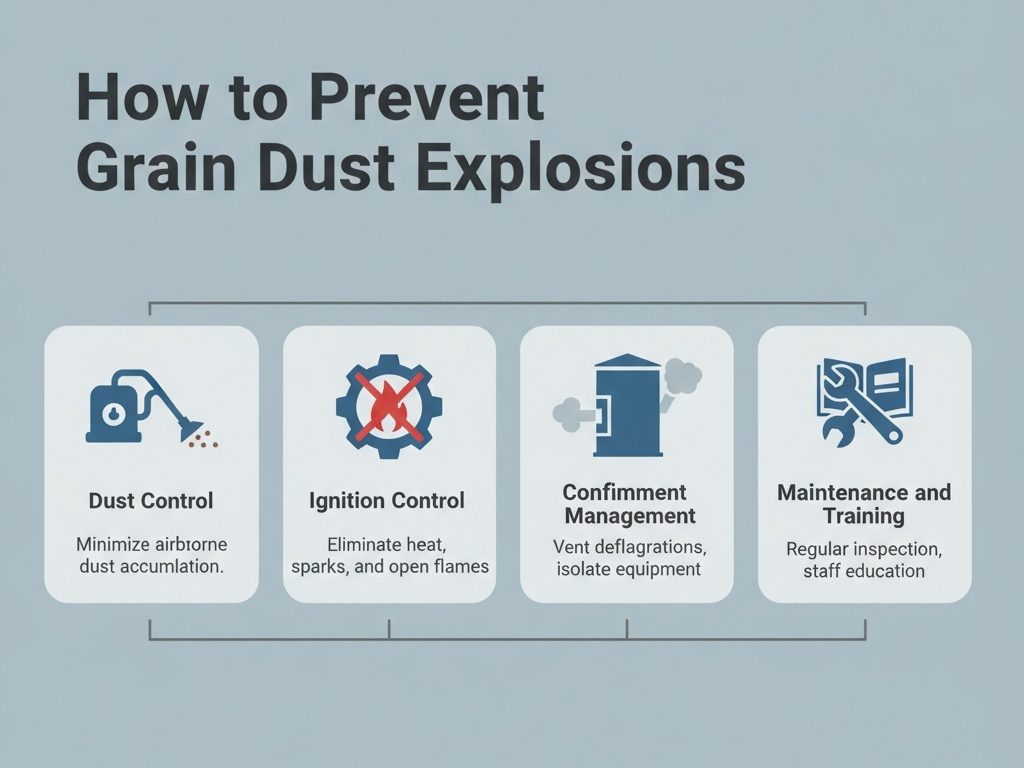
Managing dust disasters in seed handling means building layered controls that reliably remove one or more elements of the explosion pentagon. There is no single magic fix—effective prevention depends on consistent, overlapping safeguards
1) Control dust at the source
A consistent housekeeping and sanitation program is repeatedly emphasized in extension safety guidance, including grain-dust specific prevention steps.
Practical moves:
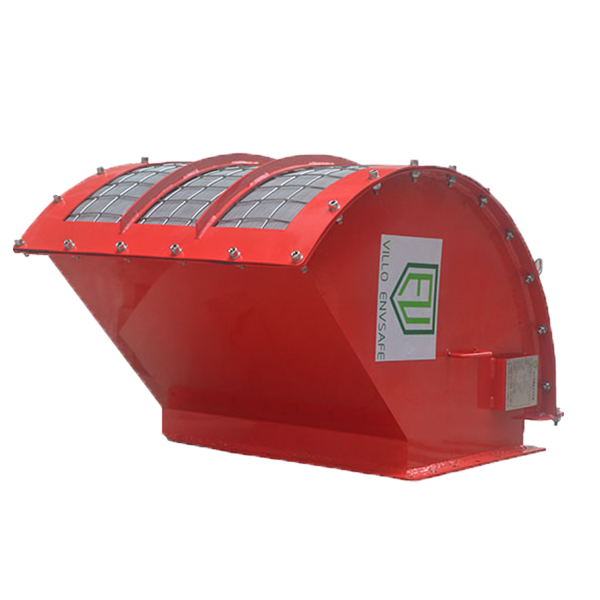
- Capture dust at transfer points with local collection where feasible
- Fix leaks and spillage that create chronic dust generation
- Clean with methods that avoid re-dispersing dust, and follow recognized safe practices for your site
2) Reduce ignition sources
Treat ignition control like reliability work, not a once-a-year audit.
Key practices:
- Prevent overheating with bearing monitoring, alignment checks, lubrication discipline
- Control static and electrical risks with proper bonding, grounding, and equipment maintenance
- Use hot-work permits and isolate combustible dust conditions before welding or cutting
3) Reduce confinement and limit explosion propagation
Where enclosure cannot be avoided, focus on engineering safeguards so an ignition does not become a facility-wide event. OSHA’s combustible dust resources and standards references are a starting point for understanding the regulatory and hazard-control landscape.
Typical approaches include:
- Isolation to stop flame and pressure traveling between connected equipment
- Explosion venting or suppression for specific equipment, designed for the hazard
- Strong management of dust collectors because they are both dust concentration and confinement points
4) Make it a management system, not a poster
A key lesson from historical investigations is that “known conditions” still produce disasters when practices are inconsistent. GAO’s report on late-1977 and early-1978 disasters documents severe consequences and highlights that while contributing conditions are well known, causes of many explosions were not clearly determined, complicating prevention confidence.
What helps in real facilities:
- Clear ownership for housekeeping zones
- Scheduled inspections with documented closure
- Preventive maintenance tied to ignition risks
- Training that matches actual job tasks in elevators, mills, and processing plants
A simple on-site checklist for grain dust explosion risk
Use this as a weekly walkdown:
- Dust layers: Are you seeing deposits building up above eye level
- Transfer points: Is dust escaping during normal operation
- Bearings and belts: Any heat, rubbing, misalignment, unusual noise
- Electrical: Damaged conduit, open junction boxes, temporary wiring
- Hot work: Are permits enforced, and is the area truly cleaned and controlled
- Dust collectors: Are filters intact, ducts sealed, and maintenance current
- Enclosures: Are there areas where dust clouds can form in confined spaces
FAQ
Are grain dust explosions still happening?
Yes. Purdue’s annual summaries track U.S. agricultural dust explosions year to year, showing recurring incidents rather than a problem that has disappeared.
What makes a “small” event dangerous?
Even small explosions can damage equipment and create conditions for larger secondary explosions when settled dust is dispersed and ignited. Extension guidance emphasizes that small explosions still cause damage and injury risk.
What is the single most effective first step?
For many facilities, the fastest risk reduction comes from controlling dust accumulation and preventing dust clouds in enclosed areas, backed by disciplined ignition control. This directly targets multiple sides of the explosion pentagon.
Conclusion
Grain dust explosions happen when combustible dust builds up, becomes airborne, and ignites inside confined equipment. The risk is highest at dust-generating transfer points and enclosed systems where small issues like leaks, friction, and overheating can escalate quickly.
Prevention comes from consistent control, not a single fix: keep dust from accumulating and dispersing, remove or manage ignition sources, and maintain equipment and procedures with clear accountability. When these basics are enforced every day, the likelihood of grain dust explosions drops dramatically.